
When you are seeking a way to move your body with intention, it is natural to find yourself wondering what the difference is between yoga and pilates. Both practices offer a sanctuary for the body and mind, emphasizing the connection between movement and well-being. By understanding the nuances of each, you can listen more deeply to what your body needs today.
Whether you are looking for a mindful flow or centered, core-focused strength, both paths lead toward a more balanced and harmonious lifestyle.
The Breath: Internal Heat vs. Core Stability
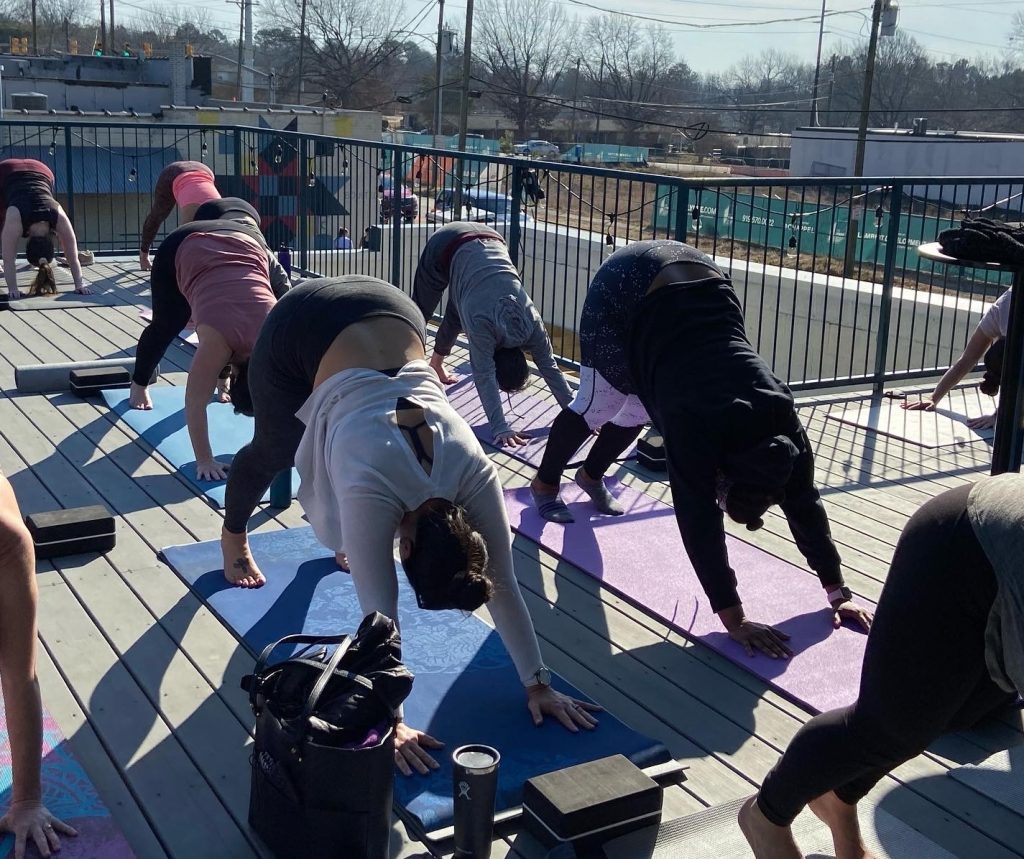
One of the most foundational differences between yoga and pilates is how we use the breath to power our movement. In our yoga practice, we often use Ujjayi breath—sometimes referred to as the “victorious breath.” By breathing deeply through the nose with a slight constriction in the throat, we create an oceanic sound that helps build internal heat, or “fire.” This heat warms the muscles from the inside out, allowing us to move through a flow with more depth and presence.
In pilates, the breath is used as a technical tool to support the “powerhouse,” or the deep muscles of the core. While yoga invites the breath to stoke your internal energy and help you expand into a pose, pilates uses it to create stability and precision. Both encourage mindfulness, but while yoga uses breath to generate heat and fluidity, pilates uses it to find control and structural support.
The Movement: Whole-Body Flow vs. Functional Precision
In terms of how it feels to move, yoga and pilates offer different ways to challenge the body. Yoga is often a whole-body experience, moving through various planes of motion to build strength, flexibility, and endurance. Whether you are holding a pose to build heat or flowing through a sequence to improve cardiovascular stamina, the movement is about exploring the body’s full range.
Pilates focuses on smaller, precise movements and repetitions designed to improve postural alignment and functional strength. While yoga might challenge your balance through a standing flow, pilates will challenge your stability through controlled exercises that support the spine and joints. Both build incredible strength, but yoga focuses on the harmony of the whole body in motion, while pilates focuses on the mechanics of the center.
The Heart of the Practice: Mindfulness and Alignment
Beyond the physical movement, the difference often lies in the focus of your session. While pilates requires a high level of mental concentration—often called “centering”—to ensure every movement is anatomically sound and supportive of spinal health, yoga invites a different layer of awareness.
In a yoga class, you are focused on more than just the technical alignment of your body. It is a time to move with intentionality, checking in with your internal state and noticing how your energy shifts with each breath. While alignment is used to keep the body safe, the true heart of the practice is the connection you build with yourself. It’s an invitation to explore self-awareness and find a sense of grounding that stays with you long after you leave the mat.
Choosing the Practice That Feeds Your Soul
Ultimately, when exploring the difference between yoga and pilates, there is no right answer—only what feels right for you at the moment. Many find that the two practices complement one another beautifully. The core stability gained in pilates provides a steady foundation for yoga poses, while the flexibility and fluid movement of yoga bring a sense of ease to the disciplined structure of pilates.
If you are looking for a space to decompress, reconnect with your breath, and move with gentle intention, yoga may be the home you are looking for. We invite you to listen to your body’s unique rhythm and choose the movement that allows you to feel most at home within yourself.